
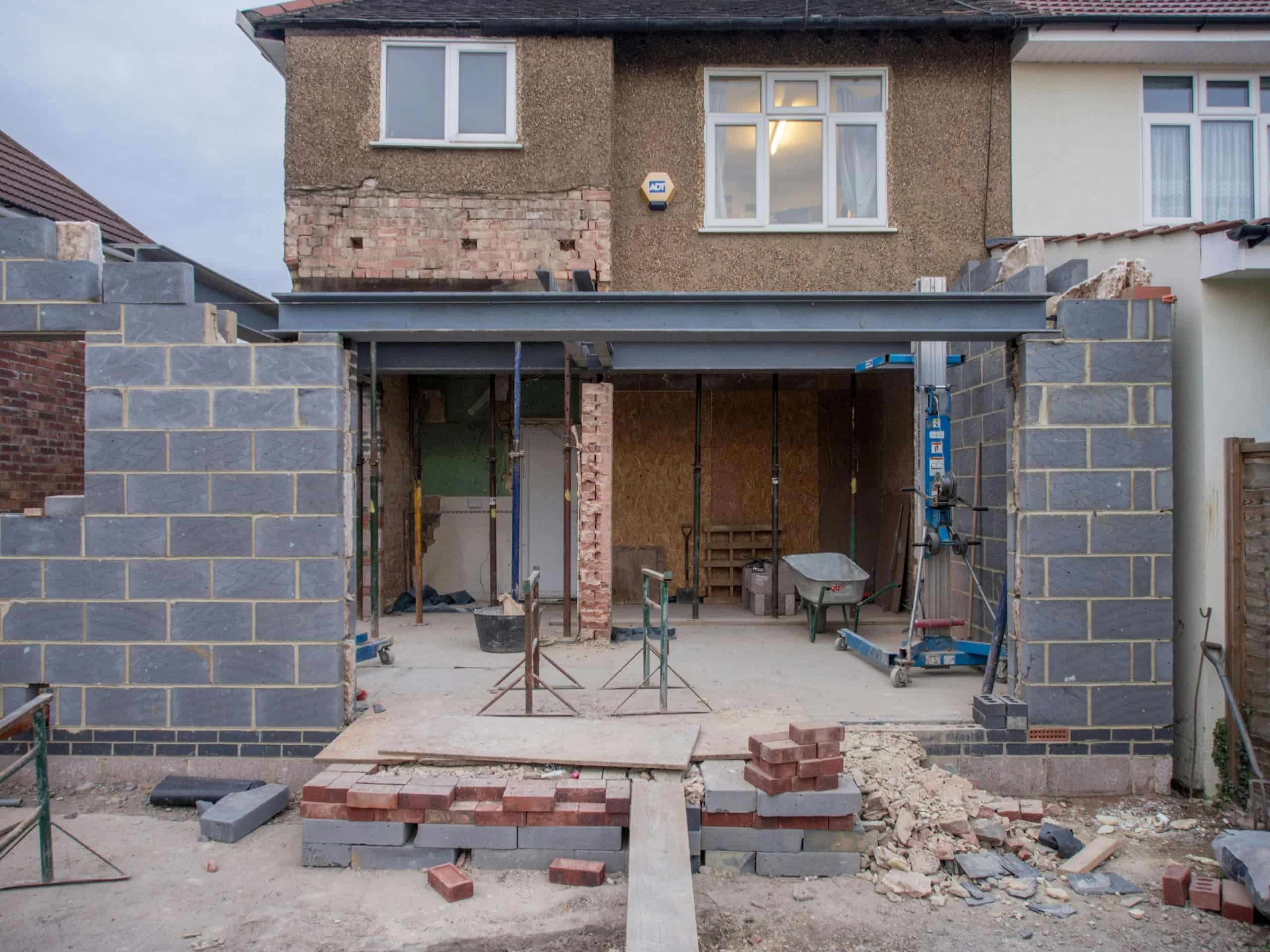
Situated along the north bank of the Thames in the Royal Borough of Kensington and Chelsea, Chelsea (SW3, SW10) stands among London's most prestigious and architecturally rich neighbourhoods. Victorian terraced houses on quiet garden streets, Georgian townhouses near Sloane Square, and elegant mansion conversions along the Chelsea Embankment define this world-famous postcode. For homeowners here, extending rather than relocating makes sound financial sense — with property values among the highest in the capital, a thoughtfully designed extension delivers exceptional returns.
Whether your home sits on a tree-lined road off the King's Road, overlooks Chelsea Physic Garden, or occupies one of the sought-after streets near Cheyne Walk or Flood Street, this guide is written specifically for Chelsea homeowners. You'll find honest 2026 pricing, clear planning guidance for RBKC, and the kind of transparency that Buildaway has built its reputation on — including an 18-month labour warranty and fully certified builds delivered across West and South West London.
How Much Does a House Extension Cost in Chelsea (2026)?
Chelsea sits firmly in the premium tier of London's construction market. Labour, logistics, access constraints, and the standard of finish expected in this postcode all contribute to costs that reflect the area's character. Below are realistic 2026 mid-market figures:
Single-Storey Rear Extension
- Build-only: £3,200 – £4,200 per m²
- Fully finished with kitchen: £4,200 – £5,500 per m²
- Example: 25 m² kitchen-diner = £80,000 – £105,000 build-only or £105,000 – £140,000 turnkey.
Double-Storey Rear Extension
- Build-only: £3,000 – £4,000 per m²
- Fully finished: £4,000 – £5,200 per m²
- Example: 40 m² across two floors = £120,000 – £160,000 build-only or £160,000 – £210,000 turnkey.
Side Return & Wrap-Around Extensions
Particularly common among Chelsea's Victorian terraces: £3,200 – £4,500 per m², depending on structural complexity, heritage considerations, and glazing specification.
All figures reflect compliant, high-quality builds with full Building Control certification, appropriate for Chelsea's exacting standards.
What Drives the Price Up or Down
- Footprint and floor area — every additional square metre adds proportionally to structural and finishing costs.
- Structural steelwork (RSJs) — common in Chelsea's Victorian party-wall properties; budget £3,000–£7,000+ for load-bearing alterations.
- Conservation area obligations — much of Chelsea falls within designated conservation areas, requiring materials and designs that satisfy RBKC's heritage officers, which can affect both cost and timeline.
- Basement potential — many Chelsea homes have existing basements or cellar voids; extending below ground is complex but increasingly popular, adding significant cost.
- Glazing specification — slim-profile steel-framed windows and bespoke bi-fold or sliding doors suited to Chelsea's architectural style add £5,000–£12,000+.
- Kitchen and bathroom fit-out — high-end kitchens in this market commonly run £15,000–£40,000+; bathrooms £8,000–£20,000.
- Heating and plant upgrades — Megaflo unvented cylinders or full boiler replacements: £3,000–£5,500.
- Access and parking — narrow residential streets, residents' permit zones, and congestion logistics in SW3 can add to skip and delivery costs.
- Finishes and joinery — bespoke cabinetry, heritage-style mouldings, and premium flooring all reflect Chelsea homeowners' expectations.
Planning Permission & Building Control in Chelsea
- Permitted Development (PD): Modestly sized single-storey rear extensions may fall within PD rights, provided they meet RBKC's specific volume and height criteria.
- Full Planning Permission: Required for double-storey extensions, front alterations, wrap-arounds, and any work that departs from PD limits.
- Conservation Areas: A significant proportion of Chelsea's residential streets — including those near Cheyne Walk, Chelsea Manor Street, and the Paultons Estate — fall within protected conservation zones. Extensions here require sympathetic materials, detailed drawings, and close engagement with RBKC's planning officers.
- Party Wall Act: Most Chelsea extensions involve shared party walls with neighbouring properties, making Party Wall agreements a standard requirement.
- Building Control: Mandatory for all structural work, insulation compliance, drainage modifications, and electrical installations — whether via RBKC's own inspectors or an approved private building control body.
Buildaway has an established working relationship with RBKC's planning and building control departments and regularly coordinates with heritage officers to deliver fully compliant, approved builds.
How Long Will It Take?
- Design and planning preparation: 4–12 weeks
- Technical drawings, approvals and notices: 3–8 weeks (conservation area applications can take longer)
- On-site construction:
- Single-storey: 10–14 weeks
- Double-storey: 16–22 weeks
- Bespoke glazing, heritage joinery, or premium kitchen installations may extend the programme accordingly.
Typical Full Project Budget Breakdown (30 m² Double-Storey)
| Element | Typical Cost |
|---|---|
| Core structure & shell | £90,000 – £110,000 |
| Windows / doors / glazing | £7,000 – £14,000 |
| Kitchen supply & fit | £15,000 – £35,000 |
| Bathroom fit-out | £8,000 – £18,000 |
| Heating / boiler / Megaflo | £3,500 – £6,000 |
| Flooring & decorating | £8,000 – £20,000 |
| Professional fees & permissions | £5,000 – £12,000 |
| Total realistic range: | £135,000 – £195,000 |
(Premium bespoke finishes and basement works can push budgets to £250,000+.)
Why Chelsea Clients Choose Buildaway
- Proven inner-London experience — hands-on knowledge of RBKC planning constraints, conservation requirements, and the distinctive Victorian and Georgian stock found across Chelsea.
- Fully transparent pricing — detailed, itemised quotes with clear staged payment terms and no unexpected additions.
- 18-month labour warranty — offering greater long-term assurance than many comparable contractors.
- Fully insured and accredited — Gas Safe registered, NICEIC certified, and comprehensively covered with public liability insurance.
- End-to-end project management — Buildaway coordinates architects, structural engineers, planning consultants, and trades from the first meeting through to final sign-off.