
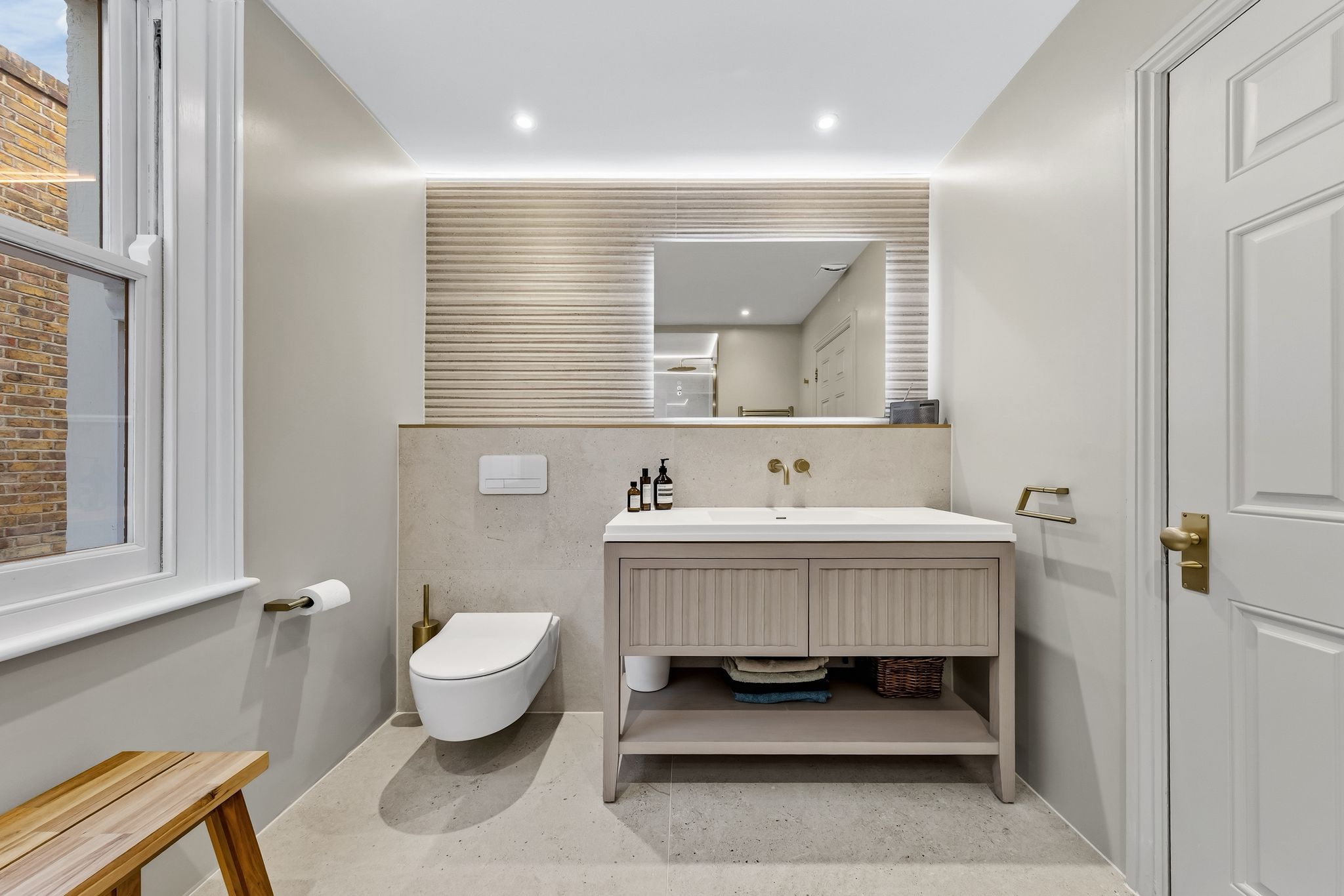
Planning a bathroom renovation in Canary Wharf? Whether you're updating a high-specification apartment in one of the landmark riverside towers, refreshing a conversion flat close to West India Quay, or modernising a property along the South Quay waterfront, honest information upfront saves time and money. Canary Wharf is one of east London's most dynamic and fast-evolving residential destinations its iconic skyline, excellent transport connections and growing community of owner-occupiers investing in their homes make it a compelling location for a quality bathroom renovation. This guide covers realistic budgets for 2026, what drives costs, how long the work takes, and how to find a fitting team you can rely on.
How much does a bathroom cost in Canary Wharf?
Canary Wharf sits within the E14 postcode, bordered by Poplar, Limehouse, Isle of Dogs and Greenwich. Property here is predominantly modern high-rise and mid-rise apartment developments, waterfront conversions and new-build blocks each with its own renovation considerations. Typical 2026 bathroom costs are:
| Scope | Typical Total Range* | Best For | What's Usually Included |
|---|---|---|---|
| Essentials Refresh | £6,500–£9,000 | Like-for-like upgrade with cleaner, more refined finishes | Suite replacement, minor plumbing adjustments, partial tiling, silicone finish, making good |
| Complete Refurb (Most Popular) | £9,000–£14,000 | Full strip-out and modernisation within existing layout | Re-boarding where needed, tanking in wet zones, full tiling, upgraded lighting, furniture installation, waste removal |
| Premium Wet Room / High-End | £14,000–£22,000+ | Layout reconfiguration or top-specification finish | Tiled former with linear drain, full tanking, underfloor heating, niches, premium brassware, feature lighting |
*Ranges include typical labour, preparation, materials and waste. Final quotes vary with room size, tile area, plumbing and electrical scope, and chosen specification. Canary Wharf's managed residential blocks often have specific access, working hours and materials handling requirements that can affect programme and logistics.
What pushes costs up (or down) in Canary Wharf homes
- Building management requirements: Many Canary Wharf developments have strict rules around working hours, goods lift bookings and waste removal all of which affect project logistics and cost.
- Layout changes: Repositioning plumbing within a high-rise apartment involves complex coordination with building services and can add meaningful cost.
- Tile specification: Large-format porcelain, natural stone and premium handmade tiles each carry different labour and material rates.
- Electrical scope: Downlights, towel rails, demisters and extractor fans must comply with Part P requirements high-rise apartments often have specific ventilation constraints.
- Substrate and waterproofing: Even newer Canary Wharf apartments frequently benefit from upgraded tanking and boarding for a longer-lasting result.
- Specification level: The gap between a functional mid-market suite and premium brassware and furniture is significant.
Buildaway tip: In Canary Wharf's managed developments, confirming building management requirements access hours, lift bookings, noise restrictions before work starts avoids delays and keeps your project on programme.
Timeline: how long will it take?
- Essentials Refresh: 7–11 days
- Complete Refurb: 11–15 days
- Premium / Wet Room / Layout Change: 15–21+ days
Canary Wharf's managed high-rise buildings can involve additional logistics around goods lift access, restricted working hours and waste removal. We plan every project around your building's requirements and household routine to minimise disruption throughout.
Do I need planning permission or building regulations?
Planning permission: Not required for most internal bathroom refurbishments. Canary Wharf falls within the London Borough of Tower Hamlets. Internal works are generally unaffected by planning restrictions, but leasehold properties in managed developments may require prior consent from the freeholder or management company before works begin. We'll advise during your survey.
Building regulations:
- Electrics (Part P): All bathroom electrical works must comply with Part P zones, IP ratings, bonding and RCD protection. Certification issued on completion.
- Ventilation: Mechanical extraction must be adequate and ducted correctly in high-rise apartments, ventilation routing requires careful assessment.
- Drainage: Significant drainage alterations may require building control notification.
All relevant certificates handed over on completion.
Price breakdown (where the budget goes)
- Labour: ~55–65% (plumbing, tiling, carpentry, plastering, electrical)
- Materials and consumables: ~30–40% (suite, boards, adhesives, trims, grout, fixtures)
- Waste and sundries: ~5–10%
Canary Wharf bathroom choices we're fitting most right now
Canary Wharf residents typically want bathrooms that are sleek, contemporary and low maintenance the area's professional demographic and high proportion of owner-occupiers drives demand for clean, high-specification finishes that make the most of apartment layouts. The most popular choices in 2026:
- Walk-in showers with tiled formers, linear drains and frameless glass a natural fit for Canary Wharf's modern apartments
- Large-format porcelain in stone, concrete or warm neutral finishes for a calm, hotel-quality aesthetic
- Underfloor heating paired with IP-rated downlighting and illuminated mirror cabinets
- Wall-hung vanity units with integrated storage to maximise space in compact apartment bathrooms
- Matt black or brushed brass brassware both popular across Canary Wharf's contemporary residential developments
- Recessed niches and frameless screens for a clean, uncluttered finish throughout
How to choose the right bathroom fitter in Canary Wharf
- Full trade accountability: One team covering plumbing, tiling, electrics and finishing no gaps between trades.
- Compliance and certification: Part P electrical sign-off, correct ventilation and building control where required.
- High-rise and managed building experience: Ask specifically for experience working within Canary Wharf's residential developments and their access requirements.
- Detailed written scope: Quote should cover demo, prep, boarding, tanking, tile areas, ventilation, making good and clear exclusions.
- Workmanship warranty: Buildaway provides an 18-month workmanship warranty on all projects.
- Local references: Ask to see completed Canary Wharf projects and speak to previous clients.
Smart ways to manage the budget without compromising quality
- Keep the existing layout repositioning plumbing in a high-rise apartment adds both cost and building management complexity.
- Invest in a quality mid-range suite and upgrade the brassware the difference is felt every day.
- Large-format tiles where the substrate suits fewer grout lines and a cleaner, more contemporary finish.
- Never skip waterproofing in an apartment, a bathroom leak affects the floor below and can lead to serious liability.
- Agree lighting early retrofitting downlights after tiling always costs more and causes unnecessary disruption.
Example Buildaway packages (guide only)
- Essentials Refresh £6,500–£9,000: Like-for-like suite swap, partial tiling to splash zones, upgraded taps and accessories, extractor check and replacement where needed, fresh silicone and making good throughout.
- Complete Refurb £9,000–£14,000: Full strip-out, substrate preparation and re-boarding where required, tanking to all wet zones, full tiling, upgraded IP-rated lighting, wall-hung furniture installation, heated towel rail, waste removal and site clearance.
- Premium Wet Room / High-End £14,000–£22,000+: Layout reconfiguration as required, tiled former with linear drain and full tanking, underfloor heating with thermostat, premium brassware and screen, recessed niches, feature lighting and illuminated mirror, top-specification suite, complete making good.