
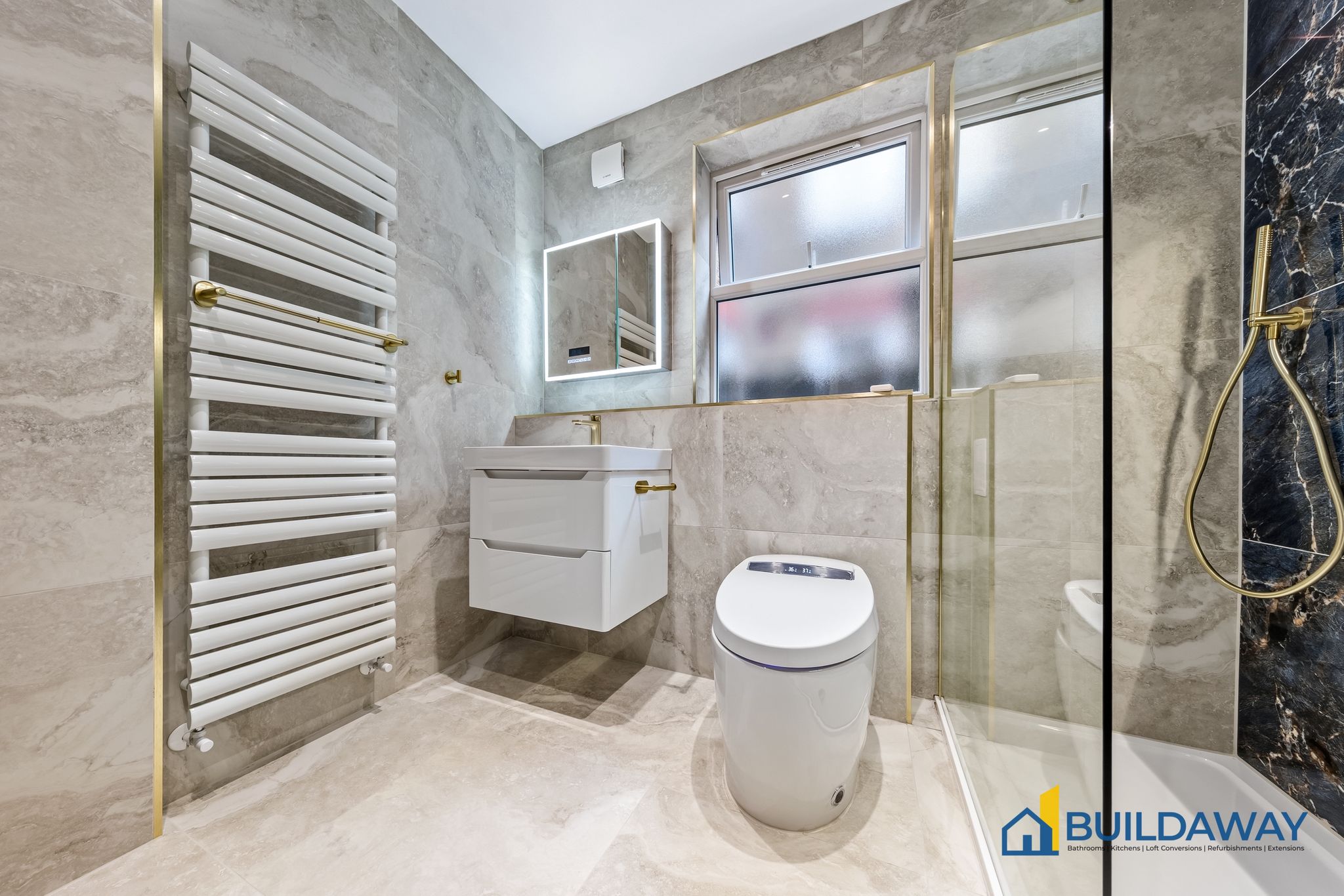
1. The Uncomfortable Truth About Bathroom Renovations
Most bathroom problems do not emerge while the fitter is still working. They surface months down the line. Mould patches spreading behind tiles. Sealant failing. Water damage appearing on downstairs ceilings. Electrical non-compliance discovered during mortgage surveys.
In Eltham postcode SE9, many homeowners only identify these defects after the installer has left and warranty claims become complicated.
The reality is clear. Many bathroom fitters do not outline crucial technical and regulatory requirements upfront, either because they believe homeowners will not question them or because thorough explanations would highlight substandard practices.
This guide acts as a reference. These are the seven things a professional bathroom fitter should communicate clearly before any work begins.
2. Why This Matters for Eltham Homes Specifically
Eltham has one of the most diverse property landscapes in South East London.
You will see:
- Victorian and Edwardian terraces near Eltham High Street and around Well Hall Pleasaunce
- 1930s suburban semis throughout Middle Park and Eltham Park
- Post-war housing estates in Well Hall and parts of Shooters Hill
- Modern apartments near Eltham and Mottingham stations
- Extended family homes around Avery Hill and New Eltham
These property categories present particular challenges. Original solid walls, bathrooms squeezed into awkward spaces, outdated waste configurations and period wiring systems are widespread. Bathrooms here are regularly fitted into existing frameworks that were never planned for modern rainfall showers, mains pressure systems or electric towel rails.
That is why proper specification matters more in Eltham than many property owners recognise.
3. The 7 Things Bathroom Fitters Often Don’t Explain
1. Building Regulations Compliance Is Not Optional
What it is: Bathroom projects are regulated by UK Building Regulations covering ventilation, electrical safety, drainage and waterproofing.
Why it matters: Disregarding compliance creates substantial problems during property sales, insurance disputes or Building Control checks. Missing paperwork consistently delays completions in Eltham.
How it affects Eltham homes: Many properties have had bathrooms added during extensions without proper approvals. Mortgage surveyors routinely highlight this.
What a professional fitter should do: Identify which aspects are notifiable, organise certification where necessary and confirm what documents you will receive.
2. Ventilation Is More Than “Opening a Window”
What it is: Part F of Building Regulations specifies minimum extraction rates. Bathrooms with a bath or shower need 15 litres per second for intermittent fans or 8 litres per second for continuous systems.
Why it matters: 73 percent of UK homeowners report bathroom mould. Insufficient ventilation is the leading cause.
How it affects Eltham homes: Victorian and Edwardian properties originally used natural ventilation through timber sash windows. Modern sealed double glazing without adequate trickle vents creates moisture traps, worsening condensation dramatically.
What a professional fitter should do: Check fan specifications, position extractors correctly, explain timer or sensor options and confirm Part F compliance.
3. Waterproofing and Tanking Are Not the Same as Tiling
What it is: Proper tanking requires installing a waterproof membrane beneath tiles. Tiles and grout do not provide waterproofing.
Why it matters: Without tanking, water slowly seeps into walls and floors. Damage typically appears two to three years later.
How it affects Eltham homes: Many Eltham bathrooms were tiled directly onto bare plaster in previous decades. This is a well-known failure point in older properties.
What a professional fitter should do: Explain tanking procedures, confirm use of EAD-certified materials and clarify where tanking is mandatory, especially around showers and in wet rooms.
4. The Plumbing Behind the Walls Might Be the Real Risk
What it is: Old pipework may be lead, galvanised steel or undersized copper. It might already be close to failure.
Why it matters: New fixtures place increased pressure on aging systems. A hidden defect can cause leaks months after work is finished.
How it affects Eltham homes: Lead supply pipes and narrow 1½ inch waste pipes still exist in Victorian and early 20th century homes.
What a professional fitter should do: Inspect existing pipework, explain replacement options and identify risks before work starts, not after demolition has begun.
5. Electrical Safety Zones Are Strict for a Reason
What it is: Bathrooms are divided into electrical zones. Each zone has specific IP rating and voltage requirements.
Why it matters: Incorrect lighting or heating installations are dangerous and frequently fail safety inspections.
How it affects Eltham homes: Older homes often lack RCD protection or have outdated consumer units. DIY electrical work is commonly discovered during renovations.
What a professional fitter should do: Explain zones clearly, confirm IP ratings, ensure RCD protection and provide Part P certification where required.
6. Floor Strength and Structure Are Often Ignored
What it is: Bathrooms are heavy. Tiles, baths, wet rooms and water loads place significant stress on floor joists.
Why it matters: Insufficient support can lead to movement, cracked tiles or structural sagging.
How it affects Eltham homes: Many first floor bathrooms sit on joists never designed for modern bathroom loads, particularly in extended properties.
What a professional fitter should do: Assess joist capacity, reinforce where needed and explain why this work is essential before tiling starts.
7. Disruption and Timelines Are Rarely Explained Honestly
What it is: Bathroom renovations disrupt water supply, electricity and access.
Why it matters: Unrealistic timelines cause stress and conflict.
How it affects Eltham homes: Narrow access, controlled parking zones and terraced properties slow progress.
What a professional fitter should do: Explain realistic timeframes, access requirements, waste disposal plans and how long the bathroom will be out of use.
4. Common Problems Eltham Homeowners Face After Poor Installs
- Leaks appearing months later
- Recurring black mould growth
- Electrical issues flagged during mortgage valuations
- Loose tiles and failing grout
- Expensive remedial work required before sales
- Stress from missing compliance certificates
These are not unusual cases. They are the consequences of shortcuts taken during installation.
5. How to Choose a Bathroom Fitter in Eltham
Use this checklist before committing to work:
- Are they willing to explain regulations thoroughly
- Do they discuss ventilation and tanking without prompting
- Can they explain electrical zones with confidence
- Will they inspect existing plumbing properly
- Do they explain timelines realistically
- Will they confirm what certificates you receive
A fitter who avoids these conversations at the start is not protecting you later.
6. How Buildaway Can Help Eltham Homeowners
Buildaway approaches bathroom renovations with planning, compliance and long-term quality at the core.
We:
- Explain these seven issues before work starts
- Design bathrooms that meet Building Regulations, not just aesthetic trends
- Understand Eltham property types and their specific risks
- Install properly, without shortcuts
- Deliver documentation that protects you long after completion
If you are planning a bathroom renovation in Eltham and want transparency before committing, we are happy to discuss your property and answer the questions most fitters avoid.
📞 020 8108 0388
Buildaway. Straight answers. Proper installations. Bathrooms that last.