
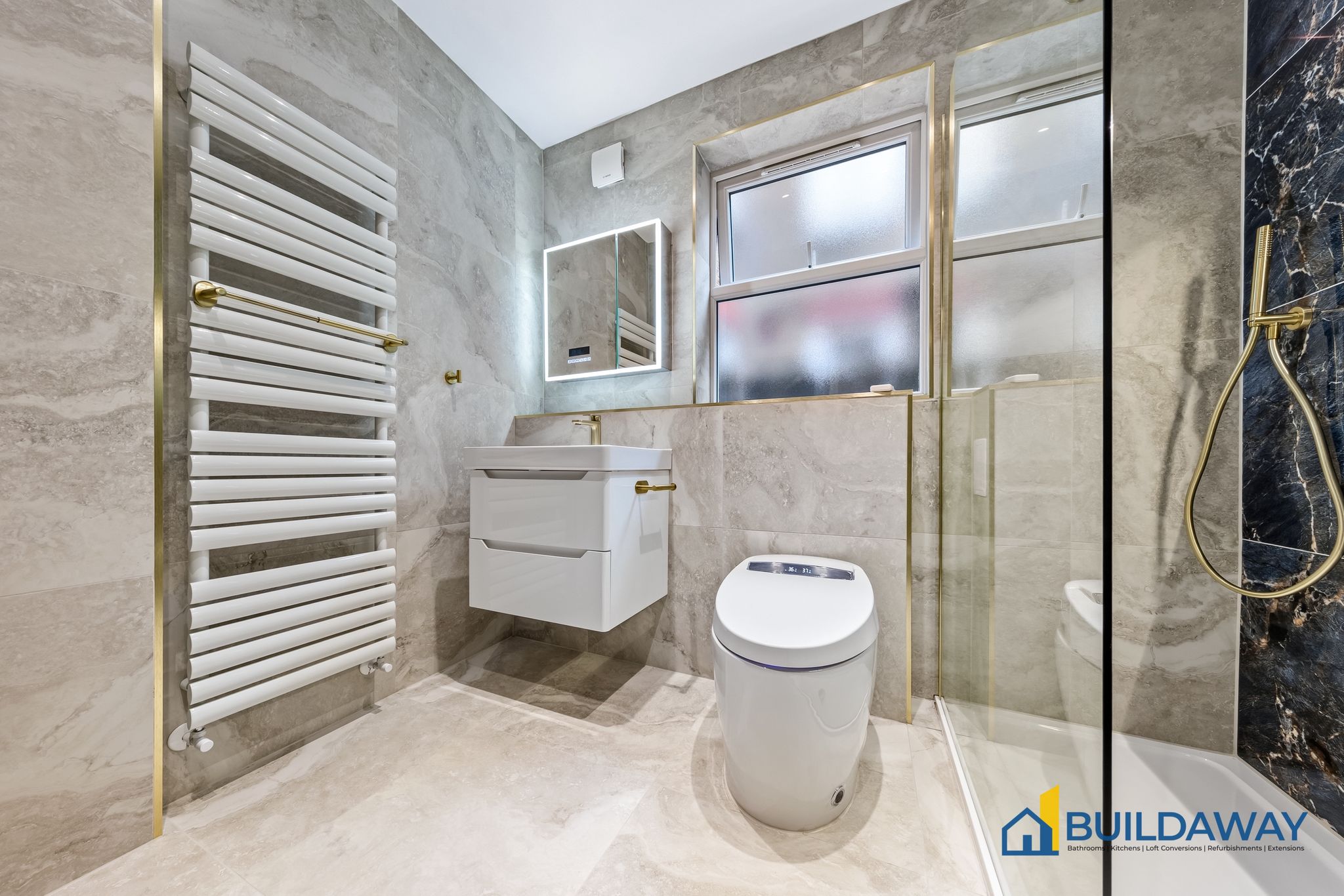
1. The Uncomfortable Truth About Bathroom Renovations
Most bathroom problems don’t show up while the fitter is still on site. They appear months later. Mould creeping across ceilings. Tiles loosening. Leaks staining the ceiling below. Electrical issues flagged during a buyer’s survey.
In Bromley postcodes BR1, BR2 and BR3, many homeowners only discover these issues after the installer has disappeared and the warranty conversations start going quiet.
The reality is simple. Many bathroom fitters do not explain critical technical and compliance details upfront, either because they assume homeowners won’t ask or because explaining them properly would expose shortcuts.
This guide is a checklist. These are the seven things a professional bathroom fitter should explain clearly before work starts.
2. Why This Matters for Bromley Homes Specifically
Bromley has one of the most varied housing stocks in South East London.
You will find:
- Victorian and Edwardian terraces near Bromley North and South stations
- 1930s semis across Hayes, Shortlands and West Wickham
- Converted lofts and rear extensions in Bickley and Sundridge Park
- Modern townhouses closer to Bromley town centre
These property types come with hidden risks. Solid brick walls, retrofitted bathrooms, undersized waste pipes and outdated electrics are common. Bathrooms here are often installed on top of old fabric that was never designed for modern showers, high water pressure or electric heating.
That is why the details matter more in Bromley than many homeowners realise.
3. The 7 Things Bathroom Fitters Often Don’t Explain
1. Building Regulations Compliance Is Not Optional
What it is: Bathroom renovations are governed by UK Building Regulations covering ventilation, electrics, drainage and waterproofing.
Why it matters: Ignoring compliance can cause serious issues during resale, insurance claims or Building Control inspections. Missing certificates regularly delay sales in Bromley.
How it affects Bromley homes: Many older properties have had bathrooms added during past extensions without proper approvals. Surveyors frequently flag this.
What a professional fitter should do: Explain which parts of the work are notifiable, arrange certification where required and confirm what documentation you will receive.
2. Ventilation Is More Than “Opening a Window”
What it is: Part F of Building Regulations sets minimum extraction rates. Bathrooms with a bath or shower need 15 litres per second for intermittent fans or 8 litres per second for continuous systems.
Why it matters: 73 percent of UK homeowners report bathroom mould. Poor ventilation is the main cause.
How it affects Bromley homes: Victorian and Edwardian homes originally relied on draughty sash windows. Modern double glazing without trickle vents traps moisture, making condensation far worse.
What a professional fitter should do: Assess fan capacity, position the fan correctly, explain overrun or humidity-sensing options and confirm compliance with Part F.
3. Waterproofing and Tanking Are Not the Same as Tiling
What it is: Proper tanking means installing a waterproof membrane behind tiles. Tiles and grout are not waterproof.
Why it matters: Without tanking, water slowly penetrates walls and floors. Damage often appears two to three years later.
How it affects Bromley homes: Many Bromley bathrooms were tiled directly onto plaster decades ago. This is a known failure point in older housing.
What a professional fitter should do: Explain tanking systems, confirm EAD-certified products and clarify where tanking is required, especially in showers and wet rooms.
4. The Plumbing Behind the Walls Might Be the Real Risk
What it is: Old pipework can be lead, steel or undersized copper. It may already be near failure.
Why it matters: New fittings increase pressure on old systems. A hidden failure can cause leaks months after completion.
How it affects Bromley homes: Lead pipework and 1½ inch waste pipes are still found in Victorian and early 20th century properties.
What a professional fitter should do: Inspect existing plumbing, explain upgrade options and flag risks before work starts, not once tiles are already removed.
5. Electrical Safety Zones Are Strict for a Reason
What it is: Bathrooms are divided into electrical zones. Each zone has strict IP rating and voltage requirements.
Why it matters: Incorrect lighting or heating installs are dangerous and often fail safety inspections.
How it affects Bromley homes: Older properties often lack RCD protection or have outdated circuits. DIY electrical work is frequently uncovered during renovations.
What a professional fitter should do: Explain zones clearly, confirm IP ratings, ensure RCD protection and provide Part P certification where required.
6. Floor Strength and Structure Are Often Ignored
What it is: Bathrooms are heavy. Tiles, baths, wet rooms and water loads place stress on joists.
Why it matters: Insufficient support can cause movement, cracked tiles or structural sagging.
How it affects Bromley homes: Many upstairs bathrooms sit on joists never designed for modern bathrooms, particularly in loft conversions.
What a professional fitter should do: Assess joist structure, reinforce where needed and explain why this work is necessary before tiling begins.
7. Disruption and Timelines Are Rarely Explained Honestly
What it is: Bathroom renovations disrupt water, electrics and access.
Why it matters: Unrealistic timelines cause stress and conflict.
How it affects Bromley homes: Tight access, on-street parking restrictions and shared walls slow work down.
What a professional fitter should do: Explain realistic timeframes, access needs, waste removal plans and how long the bathroom will be unusable.
4. Common Problems Bromley Homeowners Face After Poor Installs
- Leaks appearing months later
- Black mould that keeps returning
- Electrical faults flagged during surveys
- Loose tiles and cracked grout
- Costly remedial work before selling
- Stress caused by missing certificates
These are not rare cases. They are the result of shortcuts taken during installation.
5. How to Choose a Bathroom Fitter in Bromley
Use this checklist before you agree to work:
- Are they willing to explain regulations clearly
- Do they talk about ventilation and tanking without being prompted
- Can they explain electrical zones confidently
- Will they inspect existing plumbing properly
- Do they explain timelines honestly
- Will they confirm what certificates you receive
A fitter who avoids these conversations upfront is not protecting you later.
6. How Buildaway Can Help Bromley Homeowners
Buildaway approaches bathroom renovations with planning, compliance and long-term durability at the centre.
We:
- Explain these seven issues before work begins
- Design bathrooms that meet Building Regulations, not just visual trends
- Understand Bromley housing types and their risks
- Install properly, without shortcuts
- Deliver documentation that protects you long after completion
If you are planning a bathroom renovation in Bromley and want clarity before committing, we are happy to talk through your property and answer the questions most fitters avoid.
📞 020 8108 0388
Buildaway. Straight answers. Proper installations. Bathrooms that last.