
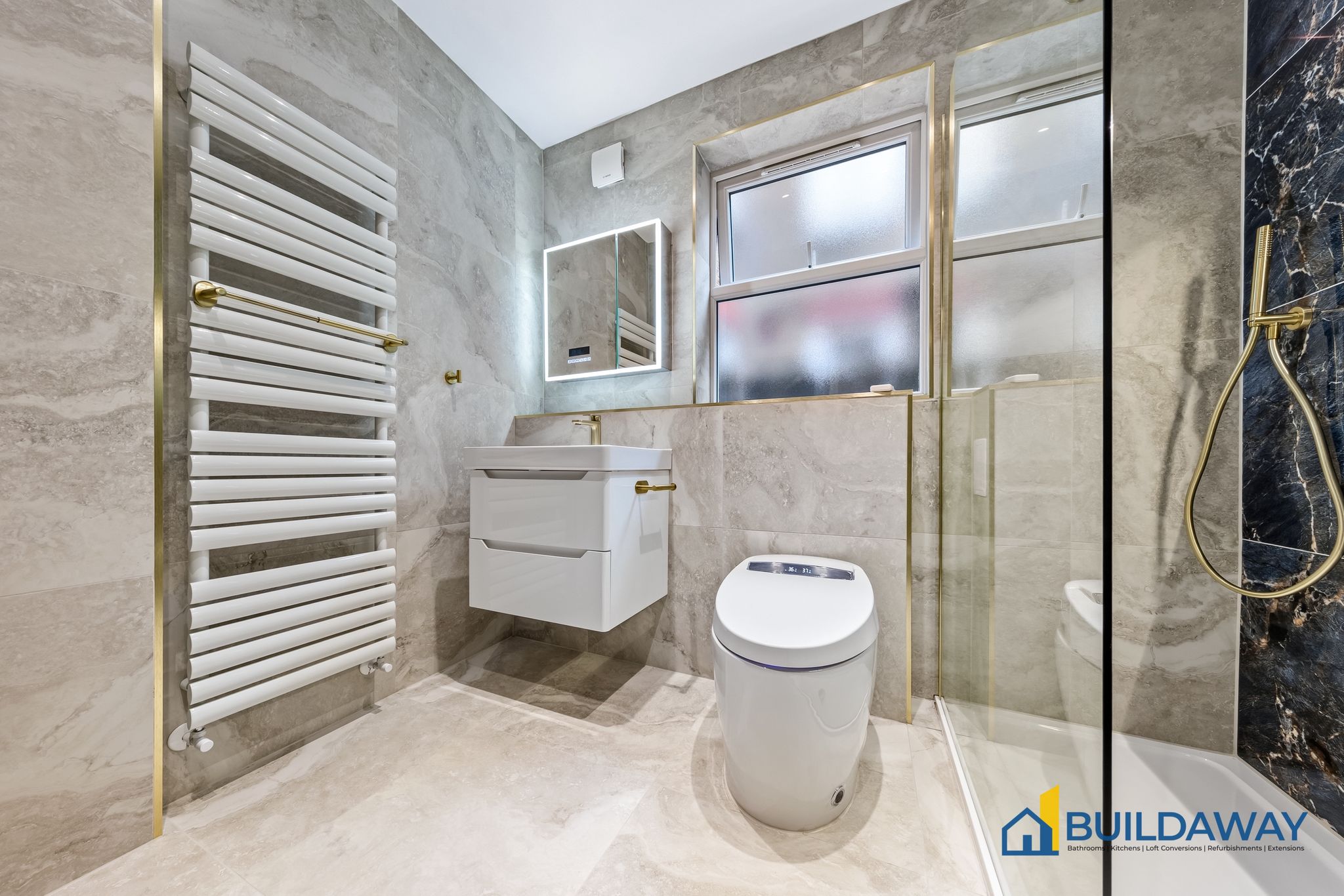
1. What No One Mentions Before the Tiles Go On
At the point of completion, a bathroom can appear immaculate. Silicone lines are crisp. Brassware shines. Everything feels solid. Yet the real test of an installation begins after the installer leaves. Steam lingering longer than it should. Subtle movement in tiled floors. A faint drip inside a boxed-in wall.
In Blackheath, particularly across SE3, these are the kinds of problems homeowners report months after renovation.
Here is the honest position.
Many installers focus on finishes and fixtures but do not fully explain compliance, structural limits or long-term moisture management. Those details are less visible but far more important.
Below are seven matters a professional bathroom fitter should discuss clearly before starting work.
2. Why Blackheath Properties Require Extra Attention
Blackheath is known for its period architecture and conservation sensitivity.
You will find:
- Georgian and Victorian terraces overlooking Blackheath
- Large character homes near Greenwich Park
- Edwardian houses on tree-lined residential roads
- Converted flats within older mansion buildings
Many properties here have solid brick walls, original timber joists and ageing drainage stacks. Conservation area restrictions can also affect external ventilation routes and visible alterations.
Bathrooms in Blackheath often sit within older, heritage-sensitive buildings that demand careful technical planning.
3. The 7 Things Bathroom Fitters Often Don’t Explain
1. Compliance With Building Regulations Is Required
What this includes: Drainage, electrical work, ventilation upgrades and certain structural alterations.
Why it matters: Non-compliance can delay property transactions and create legal complications.
How this affects Blackheath homes: Period properties and conversions frequently have undocumented historical alterations.
What should happen: Your installer should clarify what requires notification and provide completion certificates.
2. Extraction Must Meet Specific Performance Standards
What this includes: Bathrooms with baths or showers must extract 15 litres per second intermittently or 8 litres per second continuously under Part F.
Why it matters: Insufficient ventilation leads to condensation and long-term damage.
How this affects Blackheath homes: Conservation constraints sometimes limit where ducting can exit, making proper planning essential.
What should happen: External venting should be confirmed and compliant fans specified.
3. Waterproof Membranes Protect the Structure
What this includes: Tanking systems installed beneath tiles in wet areas.
Why it matters: Tiles alone do not stop water penetrating into floors and walls.
How this affects Blackheath homes: Original timber joists and solid masonry walls can suffer significant damage from persistent moisture.
What should happen: Wet zones should be tanked using certified systems before tiling.
4. Drainage Layouts Must Be Calculated Correctly
What this includes: Maintaining proper gradients and adequate pipe diameters.
Why it matters: Poor falls cause slow drainage and blockages.
How this affects Blackheath homes: Older cast iron stacks and complex vertical runs are common in converted properties.
What should happen: Existing pipework should be assessed and upgraded where necessary.
5. Bathroom Electrical Zones Are Strict
What this includes: Defined safety zones with IP rating requirements.
Why it matters: Incorrect fittings are unsafe and non-compliant.
How this affects Blackheath homes: Older electrical systems may lack modern RCD protection.
What should happen: Compliant fittings should be installed and Part P certification issued.
6. Floor Structures Need Verification
What this includes: Assessing joist capacity before installing heavy materials.
Why it matters: Stone tiles and freestanding baths significantly increase load.
How this affects Blackheath homes: Period properties often retain original floor timbers.
What should happen: Structural reinforcement should be carried out where required before finishes are applied.
7. Project Timelines Should Be Realistic
What this includes: Planning for inspections, deliveries and access.
Why it matters: Underestimated schedules cause disruption.
How this affects Blackheath homes: Parking restrictions and limited access roads can slow logistics.
What should happen: A clear written programme should be agreed before commencement.
4. Issues Blackheath Homeowners Commonly Report After Poor Work
- Damp staining on ceilings below
- Persistent condensation and mould
- Survey concerns during resale
- Cracking grout lines
- Expensive corrective works
- Missing compliance documentation
These outcomes are avoidable with proper planning.
5. Choosing a Bathroom Fitter in Blackheath
Before proceeding, ask:
- Do they explain regulatory requirements clearly
- Do they address ventilation planning early
- Can they describe drainage calculations
- Will they inspect structural floors
- Do they provide written timelines
- Will they supply certification
Clear answers at the outset reduce risk later.
6. How Buildaway Assists Blackheath Homeowners
Buildaway approaches bathroom renovations with compliance, structural awareness and longevity in mind.
We:
- Review regulatory obligations before work starts
- Plan installations suited to SE3 property types
- Install methodically without technical shortcuts
- Provide documentation for resale protection
- Deliver durable, regulation-compliant bathrooms
If you are planning a bathroom renovation in Blackheath, we are available to discuss your property before you commit.
📞 020 8108 0388
Buildaway. Straight answers. Proper installations. Bathrooms that last.