
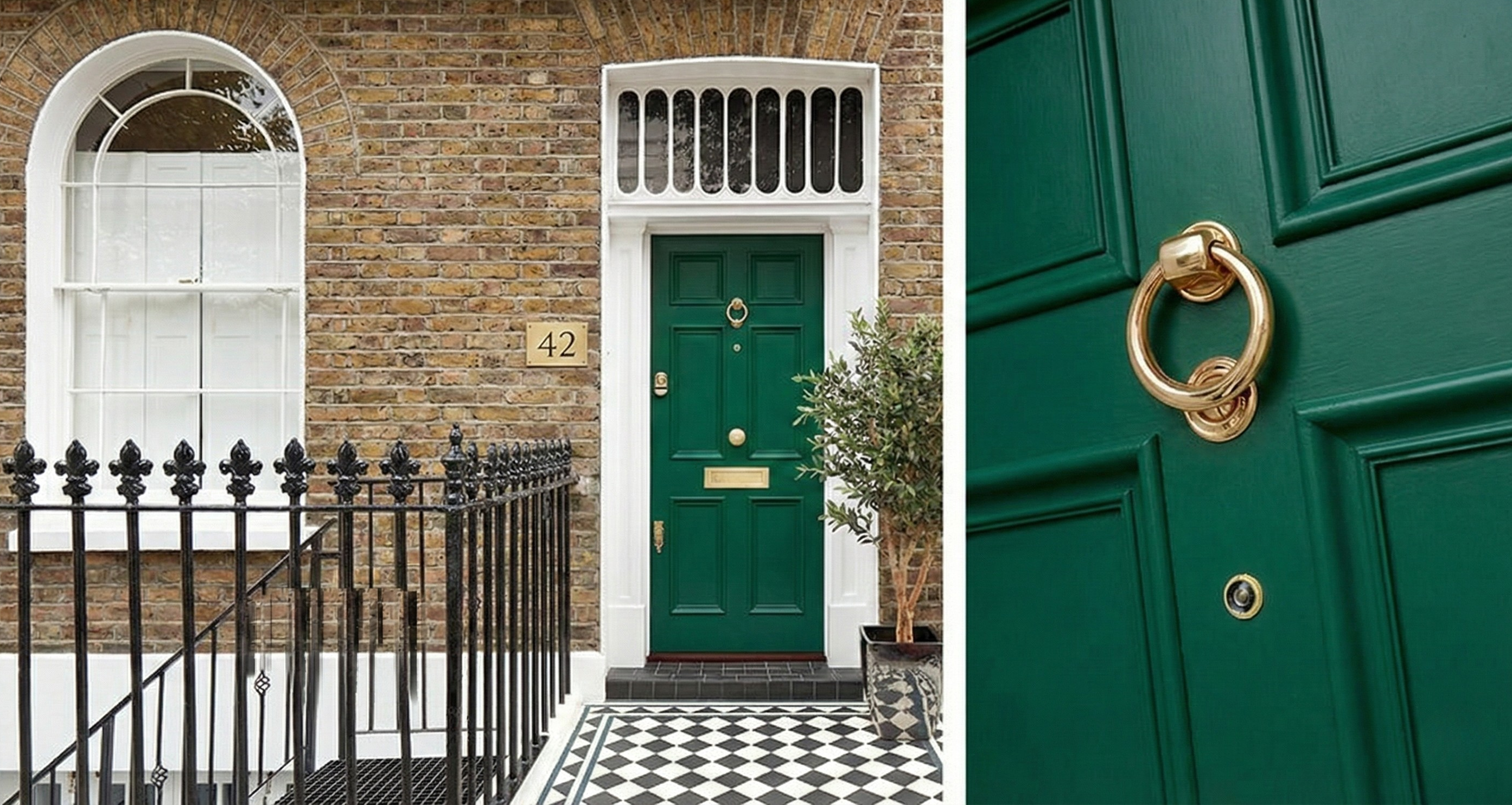
Introduction: why looks alone are a costly mistake
One of the most common mistakes London homeowners make is choosing Windows & Doors based purely on appearance. What looks right in a showroom or online often performs poorly once fitted to the wrong type of property. Period and modern homes are built very differently. They behave differently in terms of movement, insulation, ventilation, and structure. London’s housing stock ranges from Georgian terraces and Victorian conversions to post-war builds and contemporary new homes. Each requires a different approach. This guide explains how to choose the right Windows & Doors for period vs modern homes, balancing appearance, performance, regulations, and long-term value in 2026.
What’s the difference between period and modern homes?
What counts as a period home?
Period homes are generally properties built before the 1930s. This includes Georgian, Victorian, Edwardian, Art Deco, and many 1930s houses.
Typical characteristics include:
- Solid brick or stone walls
- Timber sash or casement windows
- Higher ceilings and traditional proportions
- Limited cavity insulation
- Natural ventilation through gaps and airflow
These properties were designed to breathe, not to be airtight.
What counts as a modern home?
Modern homes are typically post-war builds, including 1960s onwards, with most contemporary housing falling after the 1990s.
Typical characteristics include:
- Cavity or insulated walls
- Standardised openings
- Modern structural systems
- Designed for airtightness and energy efficiency
- Larger glazing areas
These homes are built to retain heat and meet modern performance standards.
Why this matters:
Windows & Doors must suit how the building works. Fitting the wrong system can cause condensation, draughts, noise issues, or planning problems.
What Windows & Doors work best for period homes?
Materials that suit period properties
Timber
Timber remains the most authentic option for period homes. It insulates well, suits traditional detailing, and can last up to 60 years when maintained. It also has the lowest embodied carbon compared to uPVC and aluminium.
The trade-off is cost and maintenance. Timber windows typically need repainting every 5–8 years and cost 30–50% more than heritage uPVC over their lifetime.
Heritage uPVC (modern alternative)
In 2026, high-quality heritage uPVC is widely accepted where appearance closely matches original timber profiles. Modern systems can achieve U-values around 1.2 W/m²K, offering strong thermal performance while maintaining flush sash designs.
Heritage uPVC is typically 30–50% cheaper than timber over installation and maintenance and suits homeowners wanting lower upkeep.
Steel (limited use)
Steel windows are appropriate for specific period styles such as Art Deco, but are niche and often costly.
Proportions, detailing, and character
Period homes rely on correct proportions. Frame thickness, glazing bars, and opening style matter more than colour trends.
Common mistakes include:
- Bulky frames that alter window proportions
- Incorrect glazing patterns
- Modern door styles that clash with façades
Buyers value authenticity. Original or well-matched features can add up to 10% to property value in period homes.
Improving energy efficiency without ruining character
Energy upgrades must be subtle.
Options include:
- Slim-profile double glazing
- Acoustic glazing for traffic noise
- Secondary glazing where replacements are restricted
Replacing single glazing can reduce heat loss by up to 60–70%, but only if installation respects ventilation and movement.
What Windows & Doors work best for modern homes?
Materials that suit modern properties
Aluminium
Aluminium frames are strong, slim, and ideal for large openings. They allow more glass, better views, and a clean finish. Quality aluminium windows typically last 50+ years and can contribute to a 3–7% uplift in perceived value in the right setting.
They must be thermally broken to meet energy standards.
uPVC
Modern uPVC performs well thermally and is cost-effective. It is often the best option for standard openings and delivers strong insulation with minimal maintenance.
Composite doors
Composite doors are popular in modern homes due to strength, insulation, and security. With a typical lifespan of around 35 years, they offer durability and a timber-like appearance without high maintenance.
Design flexibility and glazing
Modern homes allow for:
- Larger openings
- Sliding or bi-fold systems
- Minimalist frames
- Triple glazing where appropriate
The priority is performance, security, and integration with the building’s envelope rather than matching historic detail.
Performance, efficiency, and comfort in 2026
Insulation and energy efficiency
Current regulations require replacement windows to meet a maximum U-value of 1.4 W/m²K (Window Energy Rating B). New builds target 1.2 W/m²K.
Typical performance:
- Double glazing: ~1.2 W/m²K
- Triple glazing: ~0.8 W/m²K
Modern glazing can reduce heating bills by £120–£155 per year for detached homes.
Noise reduction in London homes
Noise is a major factor in London.
- Standard double glazing reduces noise by 20–25 dB
- Acoustic glazing achieves 35–45 dB
- High-performance systems can reach 50+ dB reduction
Every 10 dB reduction halves perceived noise. For homes near roads, rail lines, or flight paths, specification matters more than material choice.
Security
Modern Windows & Doors are expected to meet higher security standards regardless of property type. Multi-point locking, laminated glass, and correct fitting are essential.
Planning rules and property restrictions in London
Conservation areas and Article 4 Directions
Many London homes fall under conservation rules. Article 4 Directions can remove permitted development rights, meaning changes to visible doors or windows may require planning approval.
In these areas:
- uPVC may be refused if it alters appearance
- Like-for-like replacements are often required
- Heritage systems are more likely to be approved
Listed buildings
Listed buildings require strict material and design matching. Any alteration usually needs consent. Original features are strongly linked to resale value.
Professional advice is essential before ordering products.
Common mistakes London homeowners make
- Choosing unsuitable materials for the property type
- Ignoring character and proportions
- Poor installation undermining performance
- Focusing on upfront price over long-term value
- DIY installation of complex systems
- Failing to consider future regulations
- Mismatching windows and doors across elevations
Most failures are installation and specification problems, not product faults.
How to choose what’s right for your home
Ask these questions:
- Is my property period or modern in construction, not just appearance?
- Do I need authenticity or flexibility?
- Is noise reduction a priority?
- What maintenance level am I comfortable with?
- Are there planning or conservation restrictions?
The right choice balances suitability, performance, and longevity, not trends.
How Buildaway Can Help
Buildaway works with both period and modern properties across London.
The approach is advice-led. Each project starts by understanding the building, restrictions, and homeowner priorities. Windows & Doors are specified for performance, compliance, and long-term value, then installed to professional standards.
For homeowners planning upgrades, Buildaway helps ensure the right solution is chosen for the property, not just the catalogue.
If you’re comparing options and want clarity before committing, speaking to a professional installer early can prevent costly mistakes later.